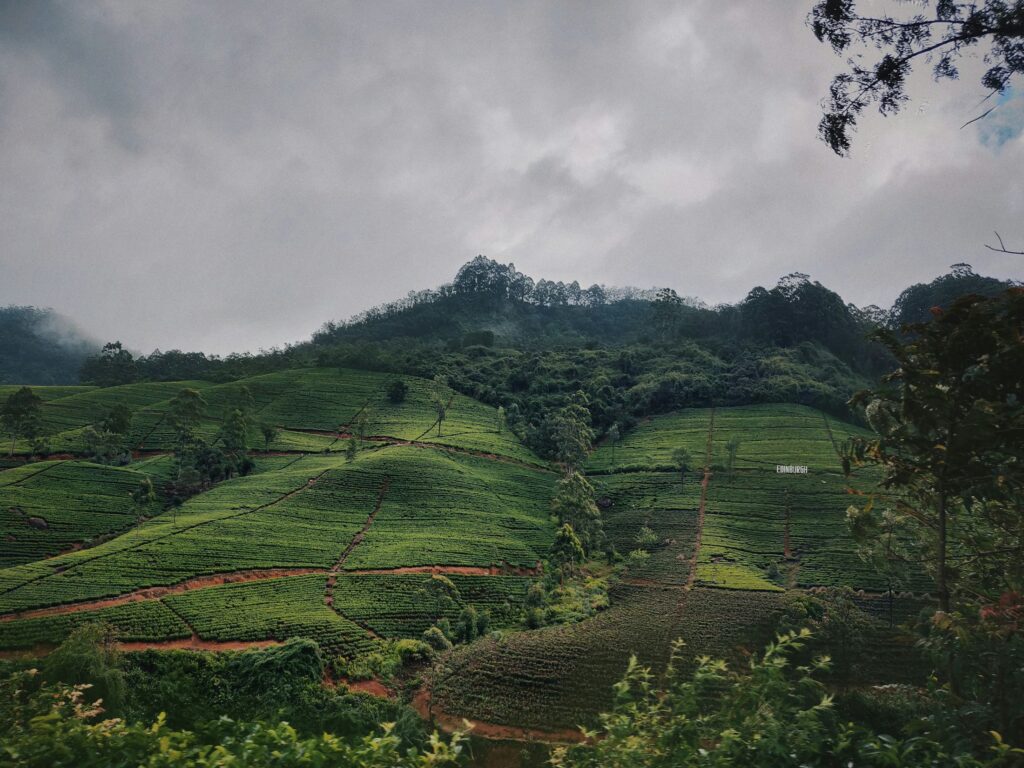


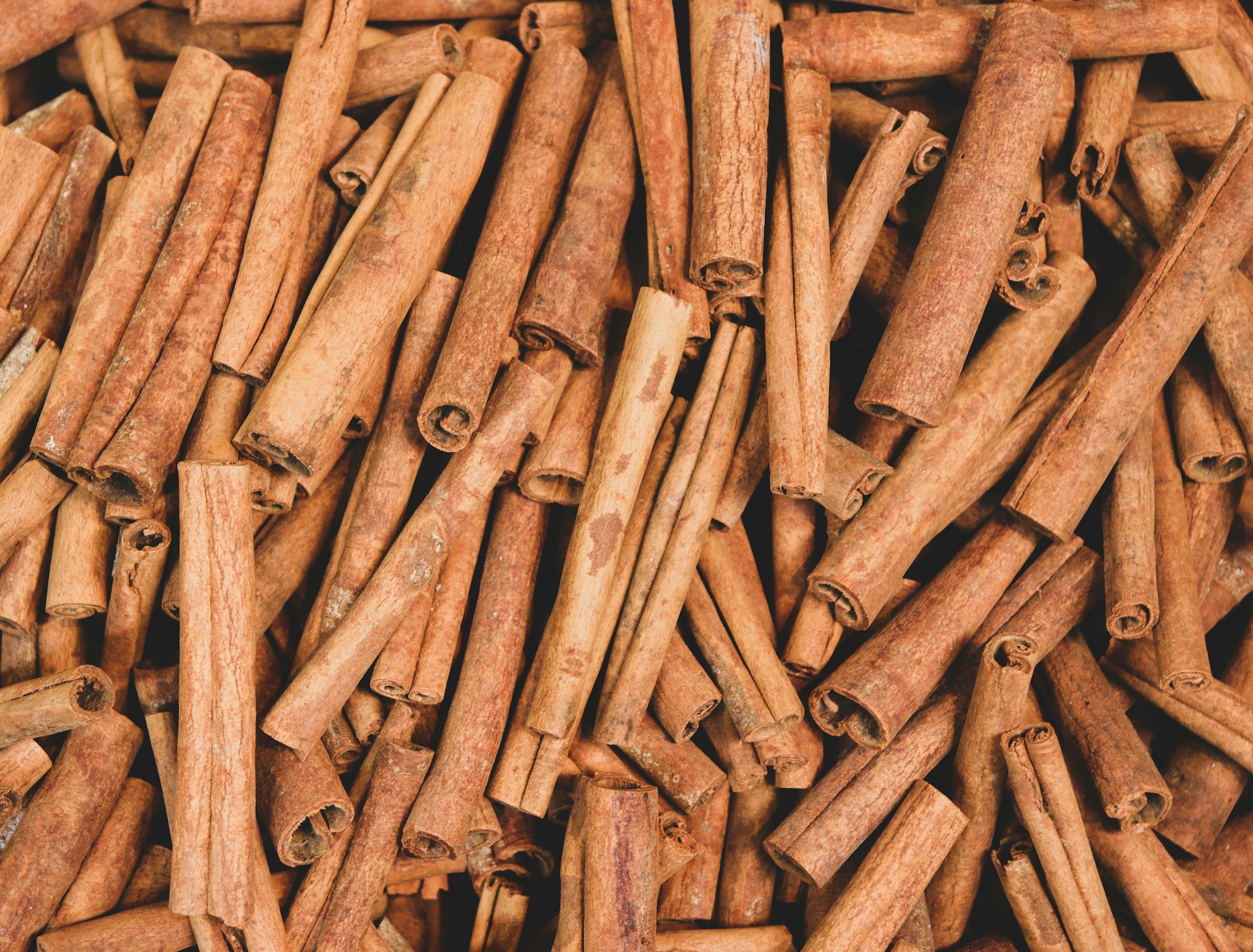
Short answer: Ceylon cinnamon (Cinnamomum verum) is native to Sri Lanka and has thin, layered, papery quills, a sweet and delicate flavour and very low coumarin. Cassia comes from other Cinnamomum species, has thick hard bark, a stronger harsher flavour and much higher coumarin.
Two different plants
Ceylon cinnamon, often called true cinnamon, is the inner bark of Cinnamomum verum. Cassia usually refers to Cinnamomum cassia and related species grown mainly in China, Indonesia and Vietnam. Much of the cinnamon sold in supermarkets worldwide is cassia.
How to tell them apart
- Structure: Ceylon quills are made of many thin, rolled layers, like a cigar. Cassia is a single thick, hard curl.
- Colour: Ceylon is light tan. Cassia is darker reddish brown.
- Taste: Ceylon is sweet, mild and slightly citrusy. Cassia is strong and spicy.
- Coumarin: Ceylon contains only traces. Cassia contains much more, which matters for brands selling to regular, high-volume consumers.
Ceylon cinnamon grades
Ceylon cinnamon is graded by quill thickness. Alba is the thinnest and finest, followed by Continental grades (C5 Special, C5, C4), Mexican grades (M5, M4) and Hamburg grades (H1, H2). Quillings, featherings and powder are used for grinding and manufacturing.
Why brands switch to Ceylon
Health-focused brands, premium bakeries and specialty retailers choose Ceylon cinnamon for its flavour, its origin story and its lower coumarin. Clear origin labelling and traceability make that story credible.
See our Ceylon spices range or request cinnamon samples.