

Short answer: to source bulk Ceylon tea, choose the grade (such as BOP, BOPF, FBOP, OP or CTC grades) and region that match your blend, ask for reference samples, agree moisture and residue specifications, and confirm packing, documents and whether the tea is 100% Ceylon.
Orthodox or CTC?
Orthodox tea is rolled to keep more of the leaf structure, giving grades such as OP, Pekoe, BOP and BOPF. It is used for loose leaf and quality tea bags. CTC (crush, tear, curl) produces small, uniform granules that brew quickly and strongly, ideal for tea bags and milk tea.
Common Ceylon tea grades
- OP (Orange Pekoe): long, wiry leaf, light cup.
- Pekoe: shorter curled leaf, fuller body.
- BOP (Broken Orange Pekoe): broken leaf, stronger cup.
- BOPF (BOP Fannings): small particles, quick strong brew, popular for tea bags.
- FBOP: larger broken leaf, often with tips.
- Dust: finest particles, very fast brewing.
The seven tea regions
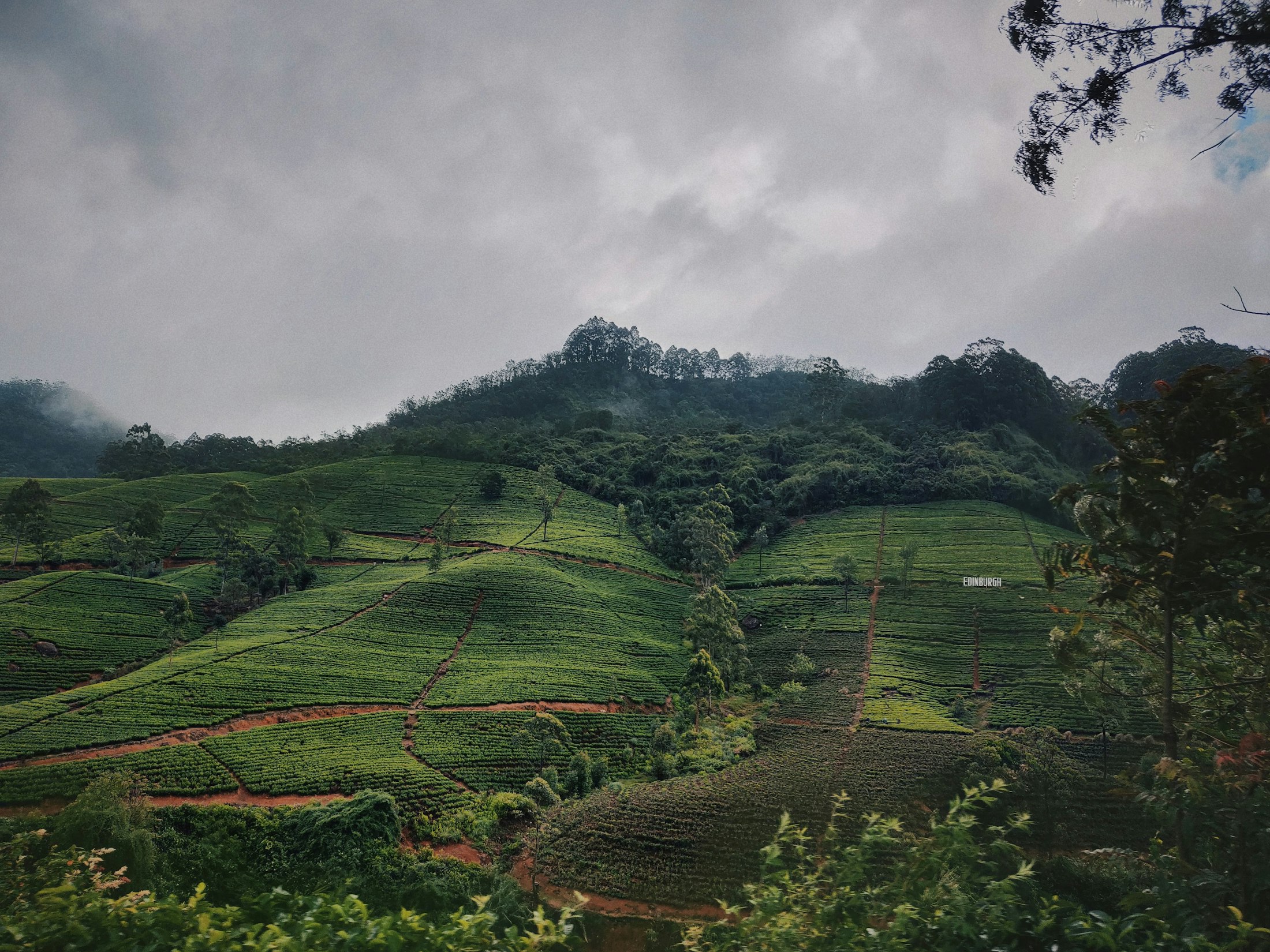
Sri Lanka has seven main tea regions. High-grown teas from Nuwara Eliya, Dimbula, Uva and Uda Pussellawa are bright and aromatic. Mid-grown Kandy teas are full-bodied. Low-grown teas from Sabaragamuwa and Ruhuna give dark, strong, malty liquors popular in the Middle East.
Questions to ask a supplier
- Is the tea 100% Ceylon, and can it carry the Lion logo if packed in Sri Lanka?
- Which region and elevation does it come from?
- What moisture and residue specifications will you guarantee?
- Will each shipment be matched to an approved reference sample?
- How is it packed and what documents come with it?
Explore our Ceylon tea range or request samples.